How to Season Food Like a Chef: A Beginner's Guide

Why Your Home Cooking Tastes Flat
Here is the secret restaurants do not put on the menu: the difference between a good dish and a great one usually is not a fancy ingredient or an expensive pan. It is seasoning. Chefs learn to build flavor in layers, taste constantly, and adjust as they go, and once you understand how they think about salt, acid, and fat, your everyday cooking will jump to a whole new level.
The good news is that seasoning is a skill, not a talent. You do not need a culinary degree, just a little understanding of when and how to add flavor. Let's walk through it step by step.
Salt Early, and Salt in Layers
The single biggest mistake beginners make is waiting until the very end to add salt. Salt needs time to dissolve, spread, and actually penetrate food. When you salt a steak or a pot of soup only at the table, the salt just sits on the surface and tastes sharp instead of deeply seasoned.
Instead, think of seasoning as something you do at every stage. Here is a simple order to follow:
- Season the raw ingredient. Salt meat, fish, or vegetables before they hit the heat so the flavor works its way inward. For thicker cuts, salting 30 to 40 minutes ahead (or even the night before) makes a noticeable difference.
- Season the cooking liquid. Pasta water, rice, braises, and soups should all be seasoned as they cook, not just at the end. Well-salted pasta water is the foundation of a good pasta dish.
- Season each component separately. If you are building a bowl with grains, roasted vegetables, and a sauce, season each one on its own. Layered seasoning tastes fuller than a single hit of salt at the finish.
- Taste and adjust at the end. Do a final check right before serving and nudge it up if needed.
This layered approach is exactly how a restaurant Argentine Asado Skirt Steak with Chimichurri gets that seasoned-all-the-way-through taste, rather than being bland in the middle with a salty crust.
Choosing Your Salt
Not all salt behaves the same way, and knowing the difference helps you season with confidence.
- [kosher salt](/glossary/kosher-salt) is the everyday workhorse in most professional kitchens. Its large, light flakes are easy to pinch and sprinkle evenly, which makes it hard to over-salt.
- [sea salt](/glossary/sea-salt) carries subtle mineral flavor and comes in many textures, from fine to flaky. Flaky sea salt is prized as a finishing touch.
- Table salt is much denser, so a teaspoon packs far more salt than a teaspoon of kosher. If a recipe was written for kosher salt and you use table salt, start with about half the amount.
The practical takeaway: pick one salt, ideally kosher, and use it consistently. Once your hand learns how much a pinch delivers, seasoning becomes second nature.
Taste as You Go
Chefs taste their food constantly, and so should you. Seasoning is not a set-it-and-forget-it step; it is a conversation with your dish. Keep a clean spoon nearby and taste at every major stage. Ask yourself one simple question: does this taste flat, or does it make me want another bite?
If it tastes dull and you cannot quite say why, the answer is almost always salt or acid. Add a small pinch of salt, stir, wait a moment, and taste again. Season gradually. You can always add more, but you cannot take it back out.
Balance With Acid and Fat
Salt is only part of the picture. The dishes that taste truly professional are balanced, and two of your most powerful balancing tools are acid and fat.
Acid brightens and wakes up flavors. A squeeze of lemon, a splash of vinegar, or a spoonful of yogurt can rescue a dish that tastes heavy or dull. A little apple cider vinegar stirred into a rich stew or a pot of greens adds a lift that makes everyone reach for seconds. This is the trick behind bright, punchy dishes like Greek Lemon Chicken and Potatoes, where lemon does as much work as the salt.
Fat carries flavor and rounds out sharp edges. A drizzle of good olive oil, a pat of butter swirled into a sauce, or a spoonful of the cooking fat gives food richness and helps seasonings cling to every bite. When a dish tastes harsh, a touch of fat often smooths it out.
Do not forget [black pepper](/glossary/black-pepper) and other aromatics either. Freshly ground pepper added toward the end keeps its fragrance, and warm spices bloomed in oil release far more flavor than spices tossed in dry. Think of salt, acid, and fat as the three dials you adjust until the dish sings.
Finishing Salt: The Chef's Final Flourish
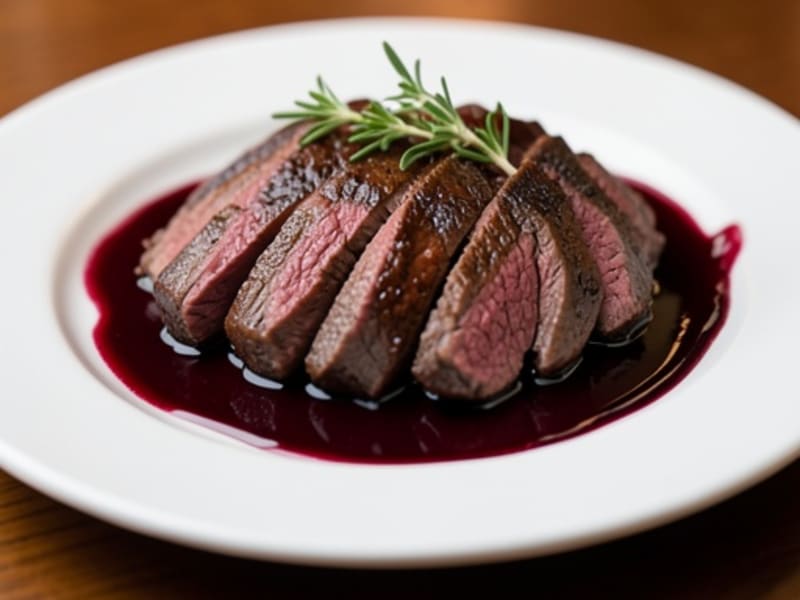
Ever wonder why a restaurant plate has that satisfying little crunch and pop of flavor on top? That is finishing salt. A pinch of flaky sea salt sprinkled over a steak, a salad, roasted vegetables, or even a chocolate dessert adds texture and bursts of seasoning that dissolved salt simply cannot deliver.
Finishing salt is not about seasoning the whole dish; the food should already be properly seasoned underneath. It is the final flourish, a small touch that signals care and makes the first bite memorable. Use it right before serving so the flakes stay crisp.
Common Seasoning Mistakes to Avoid
Even simple cooking gets a lot better once you sidestep these frequent slip-ups:
- Only salting at the end. Flavor built in layers always beats a last-second sprinkle.
- Being afraid of salt. Under-seasoned food is the most common problem in home kitchens. Most dishes need more than you think.
- Dumping salt in all at once. Add gradually and taste, so you stay in control.
- Forgetting acid. If a dish tastes flat even after salting, it probably needs a squeeze of lemon or a splash of vinegar.
- Not tasting. Cooking without tasting is like driving with your eyes closed.
- Ignoring salt type differences. A teaspoon of table salt is far saltier than a teaspoon of kosher; know which one your recipe means.
Putting It All Together
Seasoning like a chef comes down to a handful of habits: salt early and in layers, taste constantly, balance with acid and fat, and finish with a pinch of flaky salt. None of these require special equipment, just a little attention and a willingness to adjust.
Start practicing on your next meal. Salt your ingredients before cooking, taste as you go, brighten with a squeeze of citrus, and finish with a flourish. For a deeper dive into the science behind why these techniques work, resources like Serious Eats and America's Test Kitchen are excellent places to keep learning. Before long, seasoning by feel will become second nature, and your cooking will taste like it came from a restaurant kitchen.
Frequently Asked Questions
How much salt should I actually use?
There is no single number, because it depends on the food, its volume, and the type of salt. The reliable method is to salt gradually and taste as you go. Add a pinch, stir, wait a moment, taste, and repeat until the food tastes vibrant rather than flat. A good rough starting point for cooking water is enough salt that it tastes lightly of the sea. Because you can always add more but cannot remove it, build up slowly toward the flavor you want.
Should I salt before or after cooking?
Both, ideally. Salting before and during cooking lets the salt penetrate the food and season it all the way through, which tastes far better than salt sitting only on the surface. For meats and thicker cuts, salting 30 to 40 minutes ahead (or the night before) makes a real difference. Then taste at the end and adjust, and add a pinch of finishing salt right before serving for texture and a final pop of flavor.
How do I fix food that is too salty?
You cannot remove salt, but you can rebalance the dish. Add more unsalted liquid or base ingredients, such as water, stock, or extra vegetables, to dilute the saltiness. A splash of acid like lemon juice or vinegar, or a bit of fat or sweetness, can also mask excess salt. For soups and stews, adding more of the other ingredients and simmering usually brings it back into balance. Next time, salt gradually and taste as you go to avoid the problem.
What is the best salt to use for cooking?
For everyday cooking, kosher salt is the top choice in most professional kitchens because its large, light flakes are easy to pinch and sprinkle evenly, making it hard to over-salt. Keep a flaky sea salt on hand as a finishing salt for that final crunch and burst of flavor. Table salt works too, but it is much denser, so use about half as much when a recipe calls for kosher. The key is to pick one salt and use it consistently so your hand learns the right amount.

Written by
Matthew Weitzman
Founder, Zestly
Matthew Weitzman is the founder of Zestly, on a mission to make everyday cooking easier and more joyful. A lifelong home cook, he writes about practical techniques, smart ingredient choices, and building confidence in the kitchen.
View all posts →